
VBA Member Spotlight
The Shore-House Punch List That Should Not Wait Until Fall
A practical late-summer checklist for Shore homeowners—and a closer look at the local professional helping Downbeach tackle its to-do lists.
Exterior repair and painting by The Island Handyman.
VBA Member Feature • Ventnor City, New Jersey
Ventnor City is home to skilled local businesses that keep our community running in every season. As summer turns toward fall, this week’s spotlight introduces The Island Handyman and offers a practical plan for getting a Shore home ready for the months ahead.
By late August, Downbeach still looks like summer. The beach is busy, traffic stacks up on Ventnor Avenue and air conditioners keep humming. The calendar, however, says something more urgent.
The Atlantic hurricane season runs from June 1 through November 30, and New Jersey’s tropical-storm activity is typically concentrated from August through late October. For homes on a barrier island, this is the point when a loose fence section, clogged gutter, rotting sill or door that no longer closes cleanly can become more than an item on a someday list.
That makes late summer an ideal time to walk the property, photograph its condition and decide what can be handled now, what requires a specialist and what should never be left until a storm is on the map.
The best storm-day repair is often the ordinary repair completed weeks before the forecast turns serious.
Meet Your Local Handyman
One Call Can Take a Whole Lot Off Your List
Every house has a list. The door that sticks. The gutter that spills over in a hard rain. The light fixture still sitting in its box. The deck boards that need attention, the tired bathroom vanity and the patch of drywall everyone has learned to look past.
The Island Handyman was built for exactly those jobs. Robert brings a hands-on, owner-operated approach to homes throughout Ventnor City, Margate, Longport, Atlantic City, Brigantine and Somers Point, helping homeowners turn the nagging “we’ll get to it” list into finished work.
That personal approach matters. Customers talk about Robert arriving when promised, working through problems, agreeing on pricing before getting started and leaving the space clean when the job is done. Instead of coordinating several appointments for a collection of smaller projects, homeowners can finally make real progress in one visit.
Repairs & Interiors
Doors, molding, carpentry, flooring, drywall, painting, furniture assembly, light fixtures and ceiling fans.
Kitchens & Baths
Vanities, sinks, fixtures, backsplashes, cabinets, countertops, flooring, tubs and showers.
Exterior Work
Deck repair and staining, gutter cleaning and repair, fencing, siding, pressure washing and solar exterior lighting.
Fixture-Level Work
Faucets, sinks, toilets, drains, water-pressure issues, outlets, switches, wiring and lighting.
Small jobs have a way of becoming big relief
A repaired sill keeps water out. A secure fence brings peace of mind before the next windy night. Clean gutters move rain where it belongs. A door that closes properly simply makes the whole house feel better. That is the value of getting ahead of the list instead of waiting for one small problem to become an expensive one.
Shore-Home Reality
On the Island, Little Problems Rarely Stay Little
Living near the ocean is a privilege, but salt air, sand, hard rain and coastal wind ask more of a house. Hardware corrodes. Paint and caulk fail. Algae turns outdoor surfaces slick. Water finds the weakest opening, and a fence panel that leaned harmlessly in July can become a very different problem on a stormy September night.
Late summer offers a valuable window: the weather is still workable, daylight makes exterior trouble easier to spot and there is time to handle ordinary maintenance before fall storms and colder temperatures complicate the job.
It is also the right moment to take a few simple precautions beyond the repair list. Photograph the house and its contents, review flood and wind coverage, clear loose objects from the yard and make sure everyone knows the evacuation plan. Flood coverage is generally separate from a standard homeowners policy and normally carries a waiting period, so it should be discussed before a storm is approaching.
A Practical Late-Summer Walk-Through
- Start at the roofline—but know where to stop. From the ground, look for missing or damaged roof covering, displaced flashing and sagging gutters. Photograph anything suspicious and call a qualified roofing professional for roof work. Do not climb during unsafe conditions.
- Clear gutters and control the discharge. Remove leaves and debris, then confirm that downspouts are intact and move water away from the foundation rather than releasing it beside the house.
- Test every exterior door and window. Check latches, hinges, thresholds, weatherstripping, screens and visible sealant. A door that sticks, a sill that has begun to rot or a gap where daylight shows deserves attention before wind-driven rain finds it.
- Walk decks, fences and outdoor structures. Look for loose boards, protruding fasteners, soft spots, unstable rails and leaning fence panels. Secure or bring inside furniture, grills and loose objects when a storm threatens.
- Look low for plumbing trouble. Check under sinks, around toilets, at hose bibs and near the water heater. Small leaks can become mold or freeze problems after a seasonal home is used less frequently. Know the location of the main water shutoff.
- Check lights, fans, detectors and outlets. Replace smoke and carbon-monoxide alarm batteries as appropriate. Flickering lights, warm outlets, damaged wiring, panel work and generator connections belong with properly licensed professionals.
- Trace stains before patching them. A ceiling or wall stain is evidence, not merely a cosmetic flaw. Find and correct the exterior or plumbing source before repairing drywall and paint.
- Photograph the house and review insurance. Record the exterior, major rooms, valuable items and serial numbers. Keep policy information and important documents accessible and dry. Confirm flood coverage separately with a qualified insurance professional.
Before & After
Real Projects, Visible Results
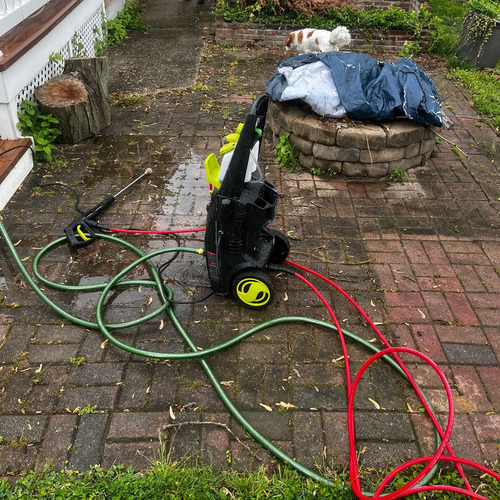
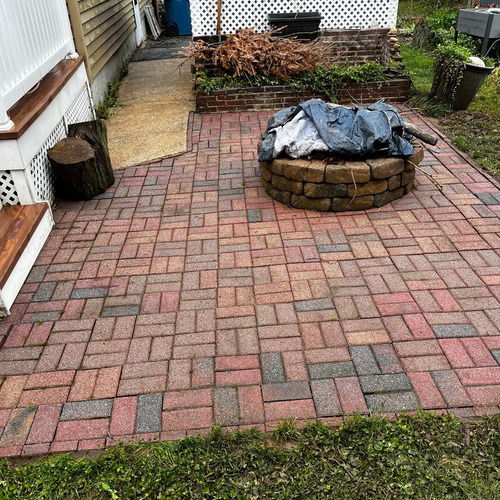
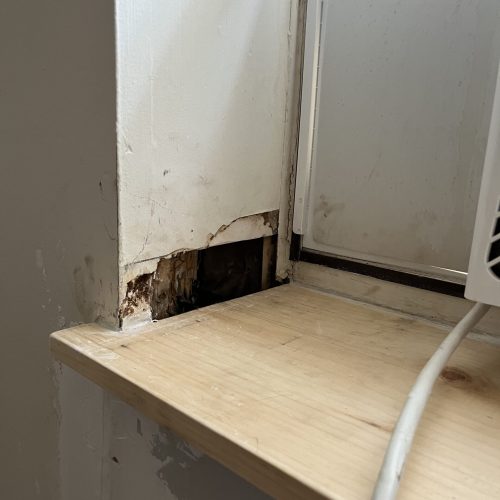
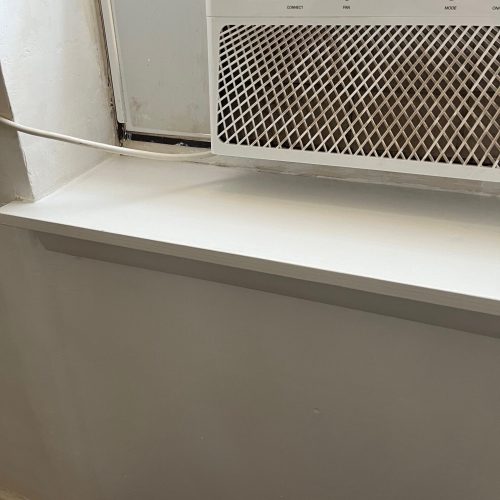
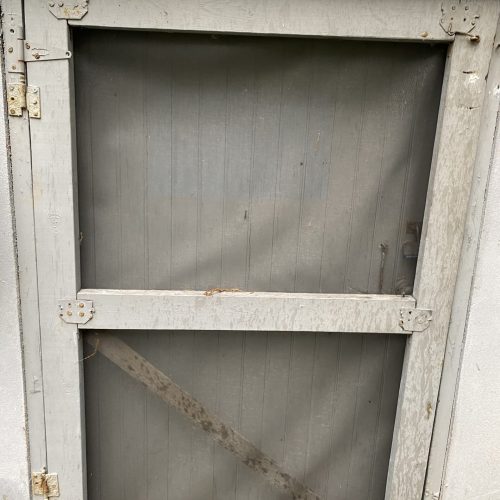
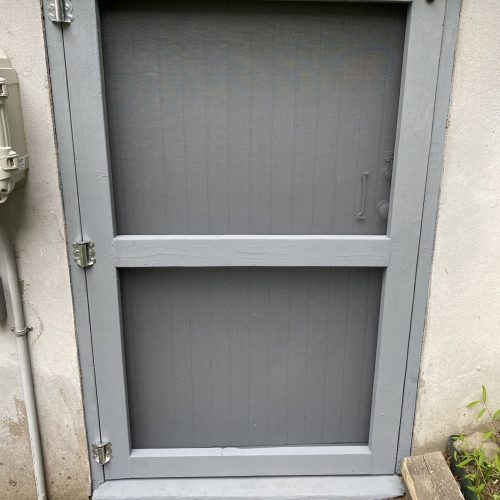
A weathered brick patio brightens after years of staining are washed away. A rotted sill becomes a clean, finished opening again. A mold-damaged screen door gets new hinges, hardware, screening and paint instead of heading straight for the trash. These are satisfying transformations—but they are also practical improvements that help a Shore home work the way it should.
The variety is part of the appeal. The same to-do list might include an outdoor cleaning project, a troublesome door, wall repair and a new fixture. The Island Handyman is designed to meet homeowners where that list actually lives: somewhere between routine maintenance, repairs and the upgrades that make a familiar room feel refreshed.
The Difference Is in the Details
Homeowners remember the finished repair, but they also remember how the work felt. Was the appointment kept? Was the price clear? Did someone listen before reaching for a tool? Was the room left clean?
Those details run through The Island Handyman’s customer comments. One homeowner recalls a full day’s work completed as promised. Another describes a single visit that covered a screen door, door knobs, broken light fixtures and an old attic exhaust fan. Others highlight Robert’s problem-solving, organization, punctuality and cleanup.
Sometimes the best home improvement is not a dramatic remodel. It is the moment five nagging problems finally disappear from the list.
From the Front Door to the Back Deck
Outside the House
Gutters, doors, decks, fences, siding, staining, pressure washing and solar-powered exterior lighting can all help a property look sharper and stand up better to the season.
Inside the House
Drywall, paint, flooring, cabinets, countertops, fans, lighting and kitchen or bathroom fixtures can turn a long-delayed list into a noticeably more comfortable home.
Not sure whether a project belongs on a handyman list? Start with a conversation. Describe what is happening, share a photo if helpful and ask what the job may involve. Specialized structural, roofing, plumbing or electrical projects may call for the appropriate licensed trade, while many everyday repairs can be handled before they grow into something larger.
A Calendar for the Rest of the Season
Now through mid-September
Clear gutters, test doors and windows, secure loose exterior components, inspect decks and fences, photograph the property and review flood and wind coverage. Complete work while contractor schedules and material availability are still manageable.
September through October
Hurricane season remains active. Recheck gutters after early leaf fall. Schedule heating service, identify exposed pipes, test detectors and make a plan for outdoor plumbing and seasonal shutdowns.
Before the first hard freeze
Disconnect hoses, drain and protect exterior plumbing as appropriate, confirm the main shutoff works and make an occupancy-specific plan for heat and water. Seasonal homeowners should consult their insurer and qualified trades about vacancy, temperature and monitoring requirements rather than relying on a universal thermostat number.
Storm readiness goes beyond repairs
Know your evacuation route, follow Atlantic County and municipal emergency instructions, keep medications and essential supplies ready, and use generators only outdoors and well away from doors, windows and vents. Never delay an evacuation to protect property.
Contact The Island Handyman
Sources & Reader Resources
- The Island Handyman official website — services, service area, testimonials, hours and contact information.
- The Island Handyman work gallery — all business-specific project photos and project descriptions used in this article.
- Ventnor Business Association home-improvement directory — VBA membership listing.
- New Jersey Office of Emergency Management: Hurricanes and Tropical Storms — season dates, barrier-island risk and home-preparation guidance.
- New Jersey Department of Banking and Insurance 2026 hurricane-season advisory — insurance review, inventories, gutters and outdoor-property preparation.
- NJDOBI: Preparing for Extreme Weather — flood exclusions and the normal 30-day flood-insurance waiting period.
- State of New Jersey disaster-preparation hub — flood insurance and official preparedness resources.
- New Jersey Division of Consumer Affairs: Home Improvement Contractor Business FAQ — registration requirements and consumer definitions.
- New Jersey license and registration verification portal — check a contractor business or licensed professional before hiring.
Finish the punch list while the forecast still gives you a workday—not a warning.

Leave a Reply